Record added successfully


This is a full-day tour to Jordan Castles that includes places such as Qasr Amra, Qasr Al-Azraq, and Qasr AL-Kharraneh. Qasr Amra: Also known as Quseir Amra, Qusayr Amra is the best-known desert castles situated in eastern Jordan. It was
constructed early in the eighth century, somewhere between 723 and 743, by Walid Ibn Yazid, the prospect Umayyad caliph Walid II, whose supremacy of the province was booming at that stage. It’s measured as 1 of the most critical instances of early Islamic architecture and art. The finding of an inscription during digging in 2012 has allowed historians to get more precise dating of the building.
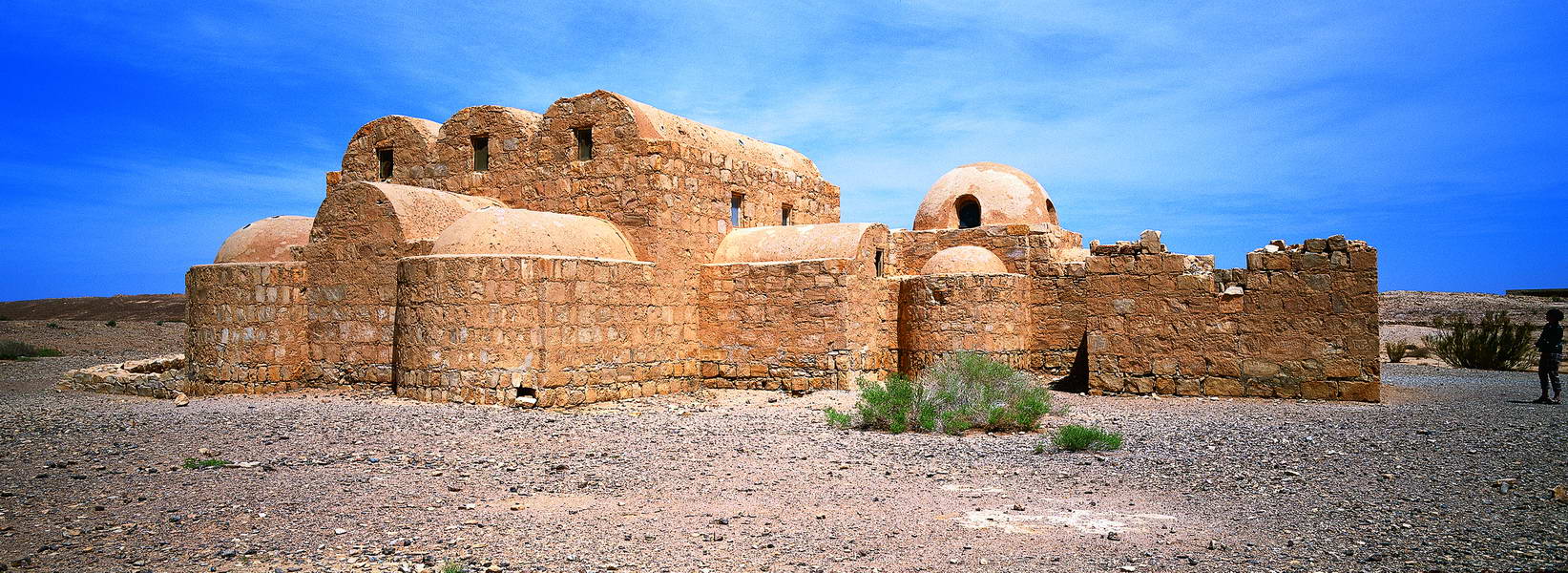
The structure is, in fact, the relic of a massive complex that incorporated a real fortress, of which only the base remains. What stands at present is a tiny country chalet, doomed as a regal retreat, without any military function. It’s most distinguished for the painting that remains on the roof inside, which represents a cluster of rulers hunting, naked women, one bath chamber and precise representation of zodiac. And these have led to its title as a UNESCO World Heritage Site. That category and its locality along Jordan’s major east-west highway, considerably near to Amman, have made it a popular tourist destination.
Book Your Tour Online Now
(Entry Fees & Tour Guide NOT included)
Searching Availability...
Qasr al-Azraq: Also, known as “The Blue Fortress" Qasr al-Azraq is a massive fortress placed in eastern Jordan. Situated on the border of present-day Qasr al-Azraq is roughly 62 miles east of Amman.
Its strategic worth came from the close by oasis, the mere water origin in an immense desert area. The name of the castle & allied towns came from these. The colony was known in ancient times as Basie & the Romans were the 1st to make partial use of the spot, and afterward, an early mosque was constructed in the center. It didn’t suppose its current form until a widespread renovation & extension by the Ayyubids in the thirteenth century,
employing locally mined basalt which makes the fortress darker than most other constructions in the region.
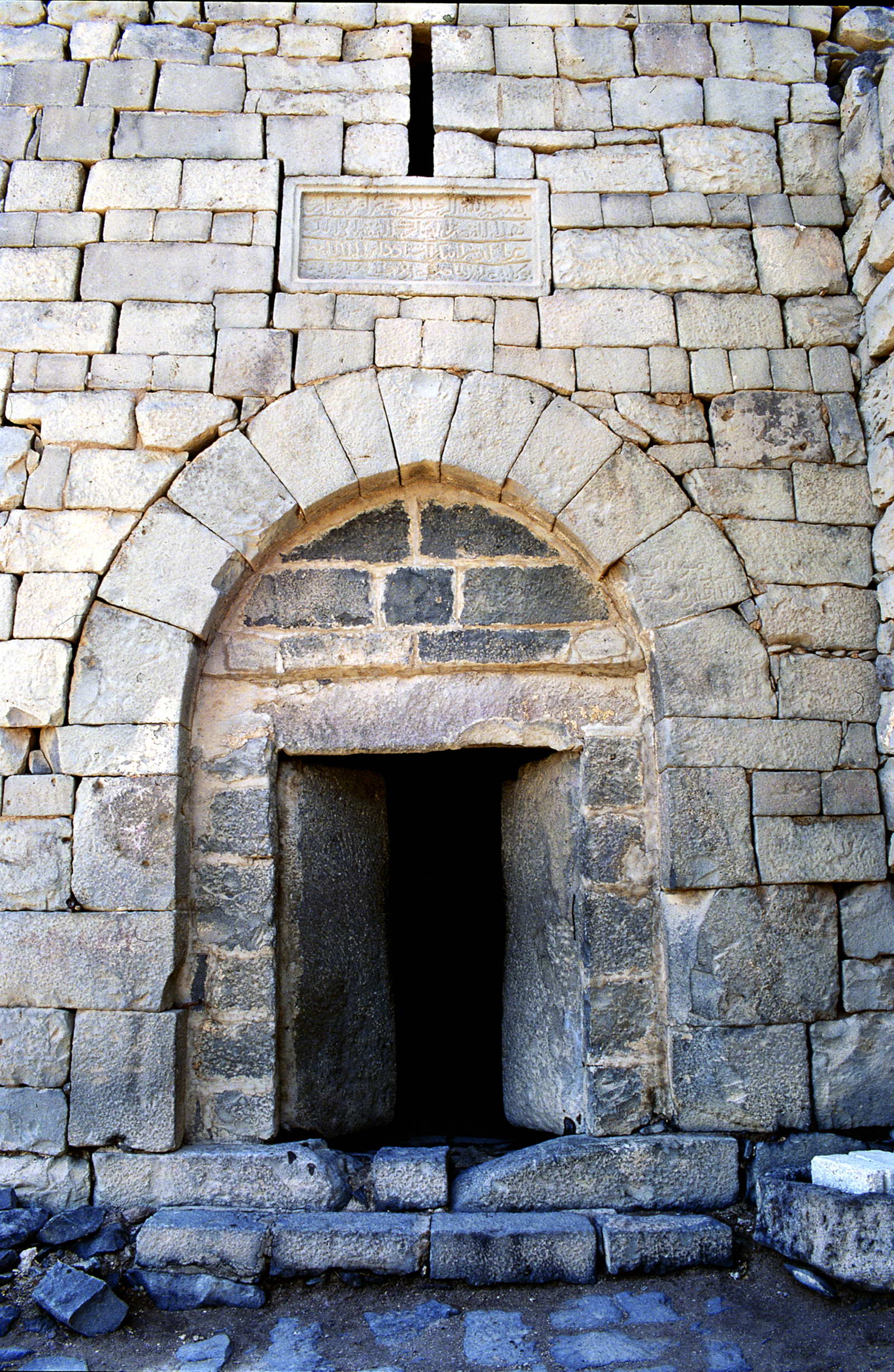
Later it used by the Ottoman troops during that realm’s domination over the province. At the time of the Arab Revolt, T.E. Lawrence based his operations here in 1917-18. The bonding to “Lawrence of Arabia” has been one of the fort’s main attractions for travelers.
Qasr Kharana:
Also known as Qasr al-Harrana, Qasr Kharana is one of the best-known desert castles placed in modern Eastern Jordan, nearly 37 miles east of Amman & considerably close to the boundary with Saudi Arabia. It’s assumed to have been constructed sometime prior to the early eighth century AD, based on a graffito in one of its upper rooms, regardless of noticeable Sassanid impact. A Greek of Byzantine house may have presented on the location. It’s one of the earliest instances of Islamic architecture in the area.
Its purpose stays unclear at present. “Castle” is a misnomer as the structure’s interior arrangement doesn’t entail a martial use, and splits in its wall couldn’t have been intended for arrow splits. It could have been a caravanserai or resting venue for traders, but lacks the water source such structures generally had nearby & isn’t on any important trade routes.
It stays pretty well-maintained, regardless of its original use. Since it’s placed just off a major highway & is inside a brief drive of Amman, It has turned out to be one of the most explored of the desert fortress. Archaeologist Stephen Urice wrote his doctoral dissertation, afterward published as a book, on Qasr Kharana, based on his work renovating the building in the late 70s.
Jordan Desert Castles Full Day
08:00 Beginning of Trip.
09:00 Visiting Desert Castle- Qasr AL-Harrana
10:30 Visiting of Desert Castle Qasr Al-Hallabat
12:00 Visiting Qusayr Amera
13:30 Visiting Qasr AL-Azraq.
15:00 Lunch time at any selected resturant in Amman.-Not included
17:00 Hotel Drop Off at Amman
-Local Tour guide can be used if desired.
NB: Tips are recommended for Driver/Tour guide (around 10% Total Charges)