Record added successfully


Jordan captivates visitors with its ancient ruins, dramatic desert landscapes, and the timeless magic of Petra. But for those who travel with all their senses, there is another layer to this remarkable country that reveals itself one meal at a time. Jordanian food is generous, aromatic, and deeply rooted in culture — and understanding what to eat in Jordan is one of the most rewarding parts of planning your trip.
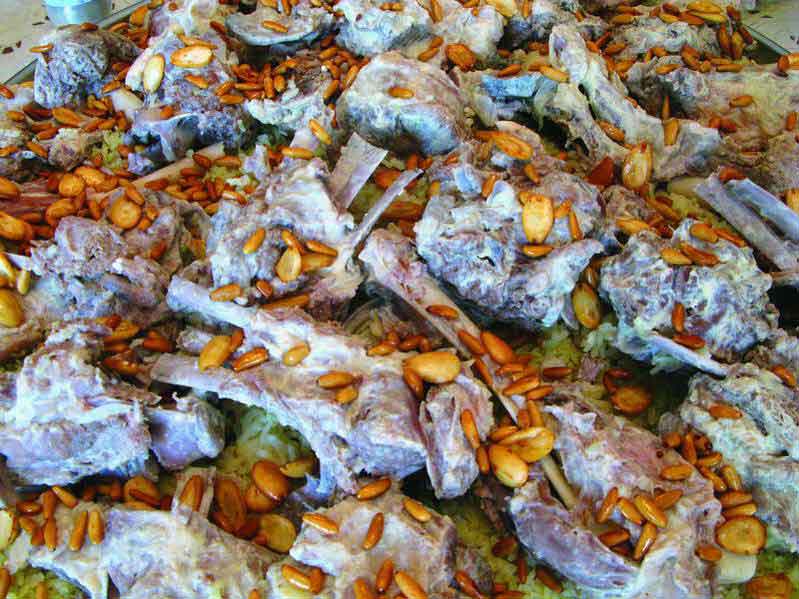
Jordanian cuisine sits at a beautiful crossroads of Levantine, Bedouin, and Arab culinary traditions. It carries centuries of history in its spices, techniques, and rituals around food. In Jordan, eating is never just about sustenance — it is an act of welcome, a gesture of respect, and a celebration of togetherness. Travelers who take the time to explore authentic Jordanian dishes often say it becomes one of the most memorable parts of their entire trip.
The country's food culture reflects its geography too. The fertile highlands of northern Jordan produce olives, figs, and fresh herbs. The desert south draws on Bedouin traditions of slow-cooked meats and preserved dairy. And the vibrant capital, Amman, brings it all together in a city that serves everything from humble street food to refined dining experiences.
No Jordanian food guide would be complete without beginning with mansaf. Widely regarded as the national dish of Jordan, mansaf is a ceremonial meal of tender slow-cooked lamb served over a fragrant bed of rice and flatbread, all generously bathed in a rich, tangy sauce made from jameed — a dried fermented goat's milk unique to the region.
Traditionally served at weddings, celebrations, and important gatherings, mansaf carries deep cultural significance. Eating it in Jordan is not simply trying a dish — it is participating in a tradition that has connected families and communities for generations. If a Jordanian host invites you to share mansaf, accept with gratitude. It is one of the warmest expressions of hospitality you will encounter anywhere in the world.
Beyond the grand occasion of mansaf, Jordanian cuisine for visitors reveals itself beautifully through mezze — the collection of small shared plates that arrive at the table before a main course, and sometimes become the entire meal. Expect creamy hummus drizzled with olive oil, smoky baba ghanoush, tangy labneh, vibrant tabbouleh, and crispy falafel served warm and fresh from the fryer.
Jordanian street food is equally wonderful. In the busy markets and side streets of Amman, you will find ka'ak vendors selling sesame-crusted bread rings, shawarma wrapped tightly in flatbread, and fresh juices pressed from pomegranates and citrus. Za'atar — a fragrant blend of dried herbs, sesame seeds, and sumac — appears everywhere, stirred into olive oil for dipping bread at breakfast or sprinkled generously over manaqeesh flatbreads pulled fresh from a stone oven.
For something heartier, try zarb, a Bedouin method of cooking meat and vegetables underground in a sealed pit of charcoal. Sampling zarb in the desert, particularly in the Wadi Rum region, is an extraordinary sensory experience that connects food, landscape, and tradition in a way that stays with you long after the meal is finished.
Jordanian desserts are as generous and indulgent as the meals that precede them. Knafeh is perhaps the most beloved — a golden pastry of fine shredded dough layered over soft white cheese, soaked in fragrant sugar syrup and finished with crushed pistachios. It is best eaten warm, fresh from the bakery, with the cheese still gently melting beneath the crisp surface.
Other sweets worth seeking out include qatayef, a stuffed pancake filled with nuts or cream and popular during festive occasions, along with baklava layered with honey and pistachios, and muhallabia, a delicate milk pudding perfumed with rose water.
Amman is the natural starting point for any food journey through Jordan. The vibrant districts of Rainbow Street, Jabal Amman, and the downtown Balad area offer an excellent mix of traditional restaurants, modern Jordanian kitchens, and lively street food stalls. Wandering through these neighborhoods is a pleasure in itself, though having a knowledgeable local guide alongside you makes all the difference in knowing exactly where to go.
Beyond the capital, the city of Aqaba offers fresh seafood dishes influenced by the Red Sea, while the towns of Madaba and Jerash serve regional specialties worth pausing for on any road trip through the country.
Experiencing Jordanian food meaningfully requires more than just walking into any restaurant. Context, story, and local knowledge are what turn a meal into a memory. A private guide can take you beyond the tourist trail — introducing you to family-run kitchens, explaining the cultural rituals behind dishes, and ensuring that every meal is placed within the broader story of Jordan's history and hospitality.
If you are spending time in the capital, the Amman Full Day Tour offered by Jordan Private Tours is a wonderful way to weave culinary discovery into a broader exploration of the city — tasting your way through neighborhoods while uncovering the architecture, history, and everyday life that give Jordanian food its meaning.
At Jordan Private Tours, every experience is designed to be personal, immersive, and genuinely connected to the places and people that make Jordan extraordinary. Whether food is your primary motivation or simply one beautiful thread in a richer journey, Jordan will feed you well — in every sense of the word.
Ready to explore Jordan's flavors on your own terms? Browse the private tour experiences at jordanprivatetours.net and start planning a journey that goes beyond the guidebook.*